
PVC Expansion Joints
PVC Expansion Joints & Flexible Connectors for Plastic Piping
Buyers searching “PVC expansion joint” usually need a flexible connector that absorbs growth and misalignment on PVC/CPVC lines — without overloading solvent-welded or flanged joints.
Risk
Plastic Pipe Growth Is Real — Guessing the Connector Is Costly
PVC and CPVC move with temperature. The wrong elastomer or an undersized flex connector leaks, pulls sockets, or stresses pumps.
Thermal growth on plastic
Long PVC runs push fittings when loops or joints are missing.
Chemical attack
Elastomer swell when media compatibility was never checked.
Temperature ceiling
Plastic and elastomer limits both apply — the lower one wins.
Search-term confusion
“PVC expansion joint” often means industrial rubber/PTFE on plastic lines.
Alternatives
What Actually Solves Plastic Line Movement
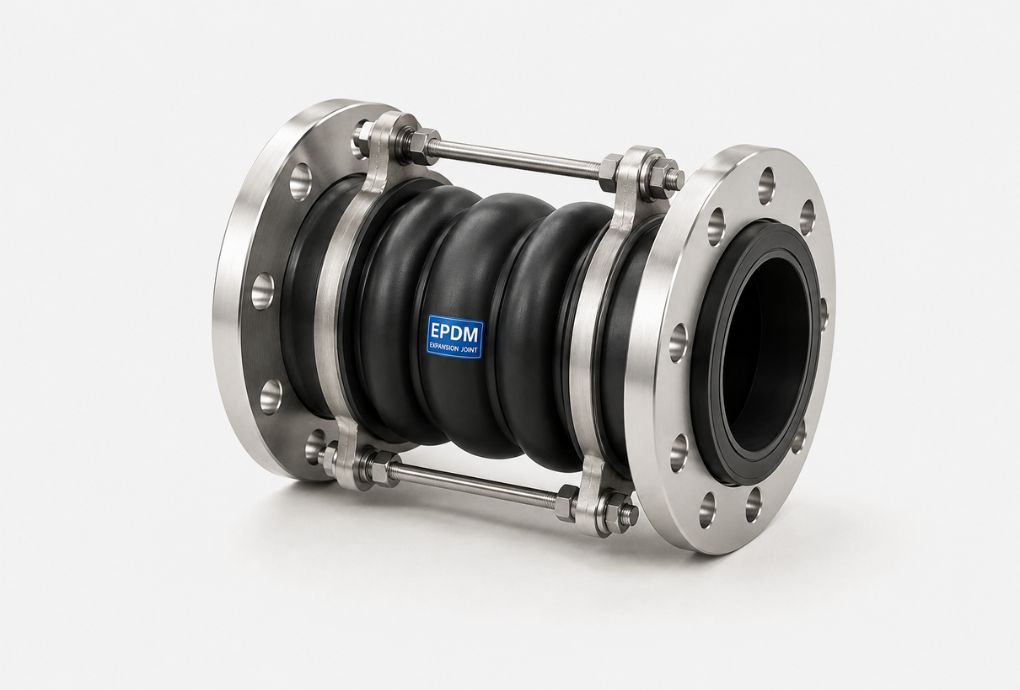
Rubber Expansion Joints
Common flexible connector on PVC and CPVC within elastomer temperature and media limits — absorbs growth and pump misalignment.
Rubber series
PTFE Expansion Joints
When solvents or acids rule out rubber — fluoropolymer constructions for aggressive chemical duty on plastic headers.
PTFE series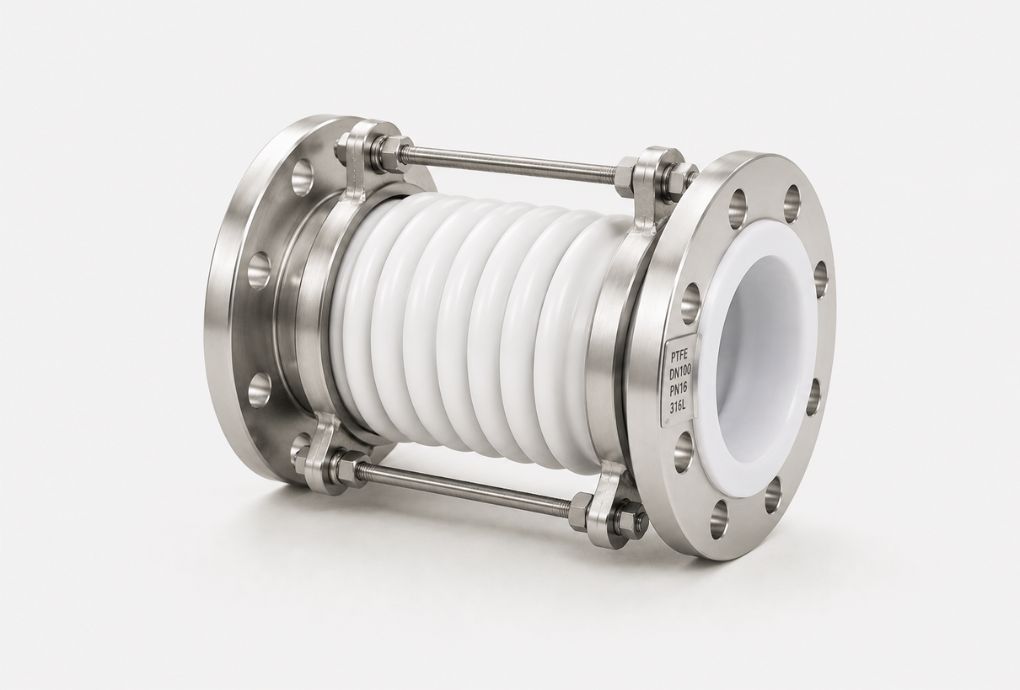
Metal Bellows When Plastic Is Unsuitable
High-temperature or high-pressure duty may require re-evaluating pipe material — metal bellows from the pipe expansion joint hub when plastic limits are exceeded.
Pipe hub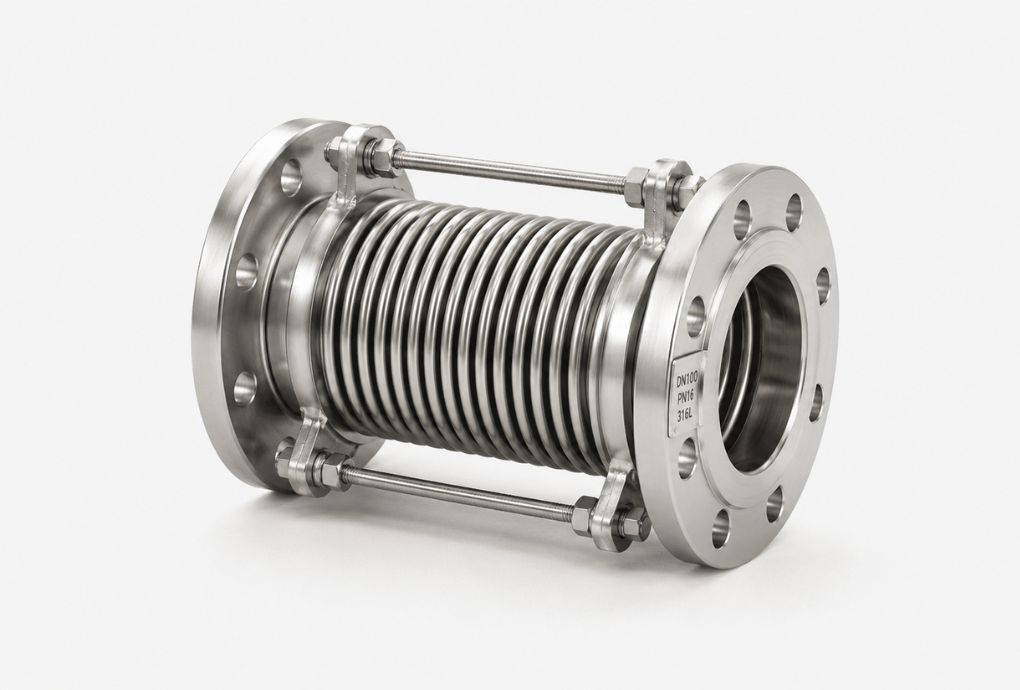
Options
What Actually Solves PVC Line Movement
Honest options — we recommend what works for your P/T/media, not what only matches the search phrase.
Rubber Expansion Joints
Common flexible connector on plastic and lined systems within elastomer limits.
Learn more
Pipe Expansion Joints Hub
Broader piping movement solutions including metal bellows when plastic is unsuitable.
Learn more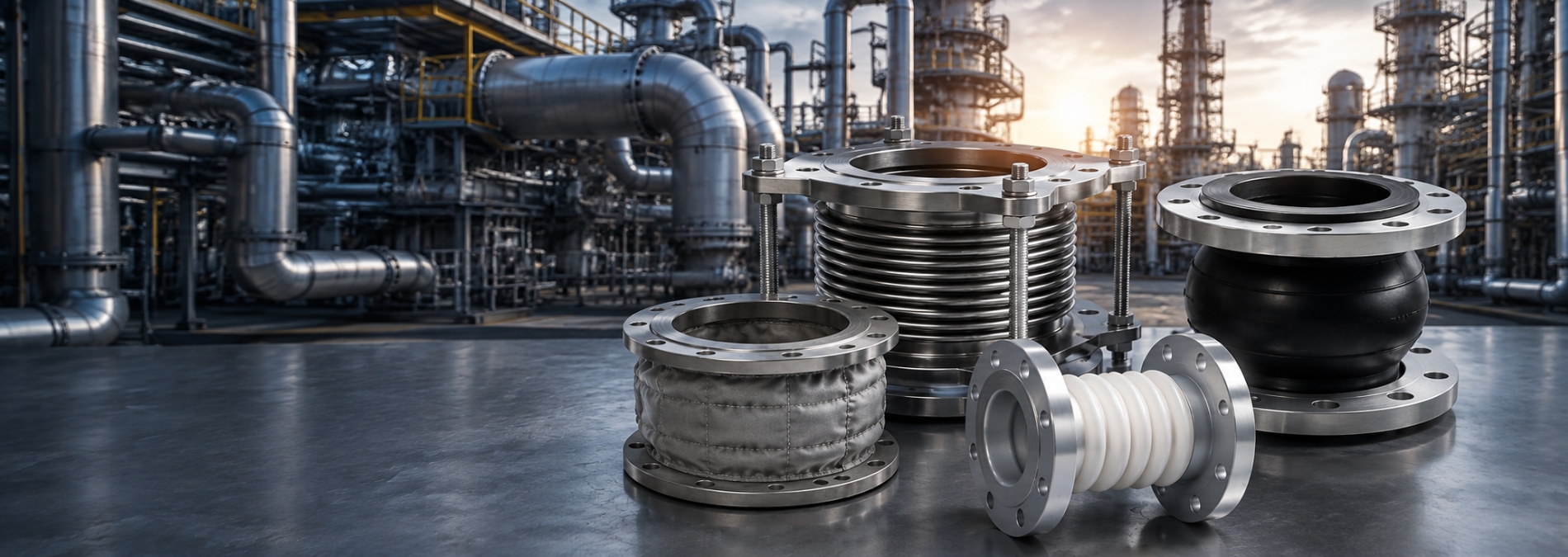
Matrix
Plastic Piping Flexibility Matrix
| Need | Typical solution | Watch-outs | Next step |
|---|---|---|---|
| Thermal growth | Loop or rubber joint | Temp limits | Share ΔT + length |
| Chemicals | PTFE joint | Vacuum/pressure | List media |
| Pump vibration | Rubber connector | Elongation | Define flanges |
| High temp plastic | Re-evaluate material | CPVC ceilings | Confirm duty |
Compatibility
Compatibility Comes Before Catalog Numbers
Elastomers
EPDM/NBR/others screened against fluid and temperature.
PTFE
When solvents or acids rule out rubber.
Flanges
Match drill pattern to plastic flange adapters.
Limits
We state when a joint is not the right answer.
Design Checks
Design Checks for Plastic Systems
Expansion calc
Length × coefficient × ΔT before picking hardware.
Support plan
Guides so the joint moves as intended.
End loads
Protect sockets and pump nozzles from thrust.
Media list
Full chemistry — not just “process water.”
Applications
Where This Search Intent Shows Up
Plastic piping systems in water treatment, chemical drains, utility CPVC/PVC runs, and OEM skids often need flexible connectors that respect both elastomer limits and plastic expansion behavior.
- Water treatment plastics
- Chemical drains
- Utility PVC/CPVC
- Skid plastic piping
- Retrofit misalignment
- Light process transfer
- Building services
- OEM plastic systems
Specify
Plastic Piping RFQ Checklist
Share pipe material, size, schedule, temperature range, media list, and calculated thermal growth — we confirm rubber, PTFE, loop redesign, or another fit-for-purpose answer.
Pipe system
PVC, CPVC, ABS — size and schedule.
Duty
Temperature range, pressure, media list.
Movement
Growth amount and any vibration source.
Recommend
Joint type — or redesign guidance if needed.
We will tell you when a joint is not the right answer.
Honest engineering beats forcing a catalog SKU on plastic piping.
Manufacturer
In-House Control from Material to OQC
FLEXIONEX is a manufacturer. Forming, welding, assembly, and testing stay under one process system — with ISO-aligned incoming, in-process, and outgoing checks against your drawings.
- Application engineering before production
- Material traceability on request
- Pressure / leak testing as agreed
- Prototype and OEM multi-lot programs
Cases
Plastic Piping Results
Rubber connectors absorbed seasonal growth that cracked solvent joints.
Treatment plant PVC header — FLEXIONEX project teamSwitched to PTFE after elastomer swell on solvent duty.
Chemical skid — FLEXIONEX project teamFlexible connector reduced nozzle stress after hard-coupled install.
Pump on CPVC — FLEXIONEX project teamHow It Works
From Inquiry to Shipment
A clean path that keeps engineering, QA, and delivery aligned — especially when outage dates are fixed.
Send RFQ pack
Drawing, media, P/T, movement, ends, quantity, delivery window.
Engineering reply
Construction recommendation, clarifications, and commercial quote.
Approve and build
Freeze design, run IQC–IPQC, assemble and test to the ITP.
OQC and ship
Outgoing inspection, docs pack, export packing, install guidance.
FAQ
Questions Buyers Ask Before They Inquire
Do you sell all-PVC expansion joints?
Most needs are met with elastomer or PTFE flexible connectors on plastic lines. We confirm viability from your duty data.
Is a loop better?
Sometimes yes — if space allows and duty is simple thermal growth. We will say so.
CPVC compatible?
Possible within temperature and media limits — share the full duty.
Flange adapters?
We design to your flange drill pattern and sealing face.
Will you refuse a bad fit?
Yes. Fit-for-purpose matters more than forcing a catalog SKU.
How to RFQ?
Pipe size, material, media, P/T, movement, and photos/drawings of ends.
Request a Quote
Send the Data. Get a Manufacturer Answer.
Complete packs get faster, more accurate quotes. Incomplete packs get clarifying questions — still better than a wrong shipment. Include pipe material, schedule, media, delta-T, and flange photos.
- Drawing or sketch of ends and dimensions
- Media / chemistry and design temperature
- Design pressure or vacuum
- Axial / lateral / angular movement
- Quantity and required delivery window
Attach drawings or photos when emailing — our application engineering team responds with a clear recommendation.